
FOLLOW FOR MORE NEWS UPDATES HERE

Buy a House First, Not a Car First - Real Estate Talk

Buy a House First, Not a Car First - Real Estate Talk

This detailed text explains the advantages of prioritizing the purchase of a house over a car when making significant financial decisions. It highlights the key reasons why investing in a house can be more beneficial in the long run: 1. Appreciation vs. Depreciation: Houses are appreciating assets, with their value tending to increase over time, making them a solid investment opportunity. On the other hand, cars are depreciating assets that lose value rapidly as they age and accumulate mileage. 2. Building Equity: Buying a house allows you to build equity with every mortgage payment, giving you the ownership of a portion of the property. This accumulated equity can be used as a financial cushion, funding for other investments, or expenses. Cars do not build equity and typically require maintenance and repairs that further reduce their value. 3. Stability and Security: Homeownership offers stability and a sense of security as you have control over your living situation, unlike renting. This stability is crucial for families looking to establish roots in a community. Cars, while convenient, do not provide the same level of security and stability. 4. Financial Leverage: Homes appreciate in value over time, allowing you to leverage this increased value for financial growth. This may include selling the property at a profit or refinancing to access cash for other investments. Cars, although necessary for transportation, do not provide the same financial leverage opportunities. In a scenario comparison, it illustrates how prioritizing homeownership can lead to financial stability and equity growth, while solely owning a depreciating car offers fewer long-term benefits. In conclusion, while cars are essential for daily commutes, prioritizing the purchase of a home can yield significant financial advantages and long-term stability. The text recommends buying a house first, followed by a car, to secure a more financially stable future.

Real Estate Talk with Mr. Ishmael Long

When making significant financial decisions, the choice between buying a house and a car can be challenging. While both are essential for different reasons, prioritizing the purchase of a house over a car is generally more advantageous in the long run. Here’s why.

1. Appreciation vs. Depreciation

A house is an appreciating asset, meaning its value tends to increase over time. Real estate markets fluctuate, but historically, property values rise, offering a solid investment opportunity. In contrast, a car is a depreciating asset. The moment you drive a new car off the lot, its value drops significantly and continues to decline as it ages and accumulates mileage.

2. Building Equity

When you buy a house, you start building equity with each mortgage payment. Equity is the portion of the property that you truly own and can borrow against or cash out if you sell. This accumulated equity can serve as a financial cushion or be used to fund other investments or expenses. Cars, on the other hand, do not build equity. Over time, they require maintenance and repairs, further reducing their value.

3. Stability and Security

Owning a home provides stability and a sense of security. Unlike renting, where you're subject to the terms of a lease and potential rent increases, owning your home means you have control over your living situation. This stability can be especially important for families looking to establish roots in a community. A car, while convenient, does not offer the same level of security or stability.

4. Financial Leverage

Homes often appreciate in value and can be leveraged for financial growth. For instance, if your property increases in value, you can sell it at a profit or refinance to take advantage of better interest rates or to access cash for other investments. Cars, even though they might be necessary for daily transportation, do not provide such financial leverage.

In five years, John has a depreciating car and no real estate assets, while Sarah has a home that has appreciated in value, providing her with financial stability and equity.
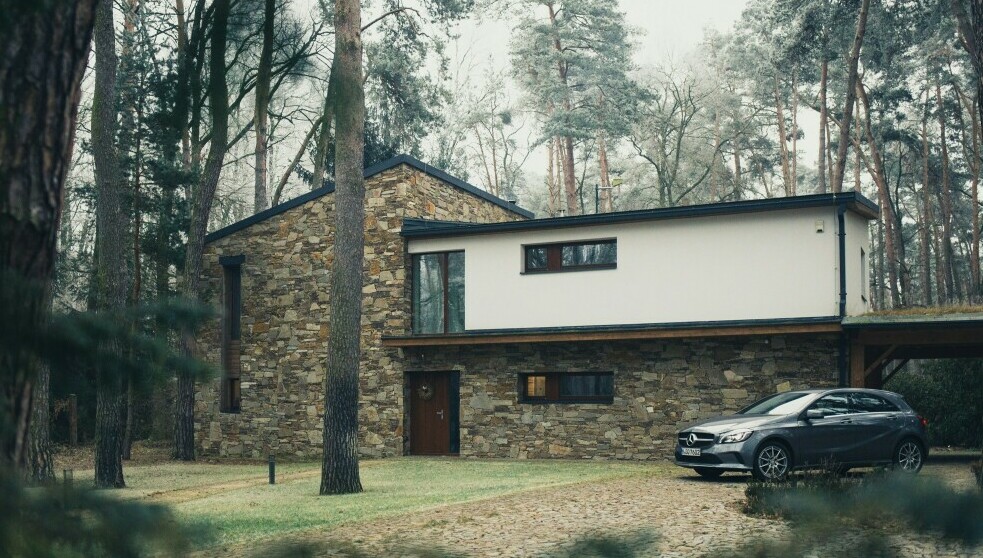
Prioritizing buying a house over a car offers greater financial benefits in terms of appreciation, equity building, stability, and overall financial security for the future. Real Estate Talk.

Conclusion

While cars are necessary for daily commutes and convenience, prioritizing homeownership can offer significant financial benefits and long-term stability. The value appreciation, equity building, financial leverage, and tax benefits associated with owning a home far outweigh the advantages of owning a car. If faced with the choice, consider buying a house first and then a car. It’s a decision that can pave the way for a more secure financial future.

Credit to Mr. Ishmael Long for this insightful Real Estate Talk. Check out his other Real Estate Talks and inspirations in the link below. And don't forget to subscribe and share this article to your social media channels.

PLEASE SHARE IT 🙏 🙂

Comments

Popular posts from this blog

Political Showdown in Papua New Guinea: Who Will Succeed PM James Marape?

Political Showdown in Papua New Guinea: Who Will Succeed PM James Marape? Papua New Guinea's political landscape shifts ahead of the critical Vote of No Confidence on April 8, 2025. Will Sir Peter Ipatas lead the way? David Manning Summoned: Insights from John Endemongo Kua on Police Commissioner.  David Manning is summoned by John Endemongo Kua, shedding light on critical political issues in Papua New Guinea for 2024 and 2025. Hon. James Nomane Grills Police Minister in 2025 Parliament Session. In a recent Parliament session, Hon. James Nomane challenges the Police Minister on key issues affecting law enforcement in Papua New Guinea. Parliament Recalled: A Critical Session Awaits on April 8, 2025 Join People's Anti-Corruption Movement President John Endemongo Kua as he discusses the implications of the Parliament recall on April 8.

Is PNG Sinking Under Marape? The Call for Leadership Change Grows Louder

Is PNG Sinking Under Marape? The Call for Leadership Change Grows Louder When a nation’s hospitals collapse, youth remain jobless, and foreign investors flee — we must ask: Is this the leadership Papua New Guinea deserves? For six years, Prime Minister James Marape and the PANGU-led government have promised change, development, and prosperity. Yet the reality on the ground is devastatingly clear: deteriorating roads, empty medical stores, unpaid provincial grants, and a frustrated generation of unemployed youth. Despite record-breaking K27 billion budgets, where is the progress? The Opposition's call for Marape’s resignation is not just a political play — it's an echo of the people’s growing despair. Even long-standing businesses like Fletcher Morobe are leaving after 70 years, waving a red flag that the world is watching — and walking away. The East Sepik Governor’s revelation that doctors are paying for medicine from their own pockets while over K1 billion i...

Governor Allan Bird Demands Marape's Removal

Governor Allan Bird Demands Marape's Removal Allan Bird, the governor of East Sepik, is speaking out against how Papua New Guinea (PNG) is being run. He's not happy with Prime Minister James Marape and wants things to change. Allan Bird is becoming a big voice in the opposition party. He's known for being honest and talking about the problems people care about, like bad government and lack of honesty. He says people are tired of the government's decisions. One of the things Allan Bird is criticizing is the Connect PNG program. This program is supposed to improve roads and other infrastructure across the country. But Allan Bird says the money isn't being used properly. He wants to know where the money is going and if it's really helping people. This raises questions about whether the government is being honest about how it spends money. Allan Bird's speech has started a big discussion about who should be leading PNG and how the country should be run. He...

News Blog

Labels

Show more